






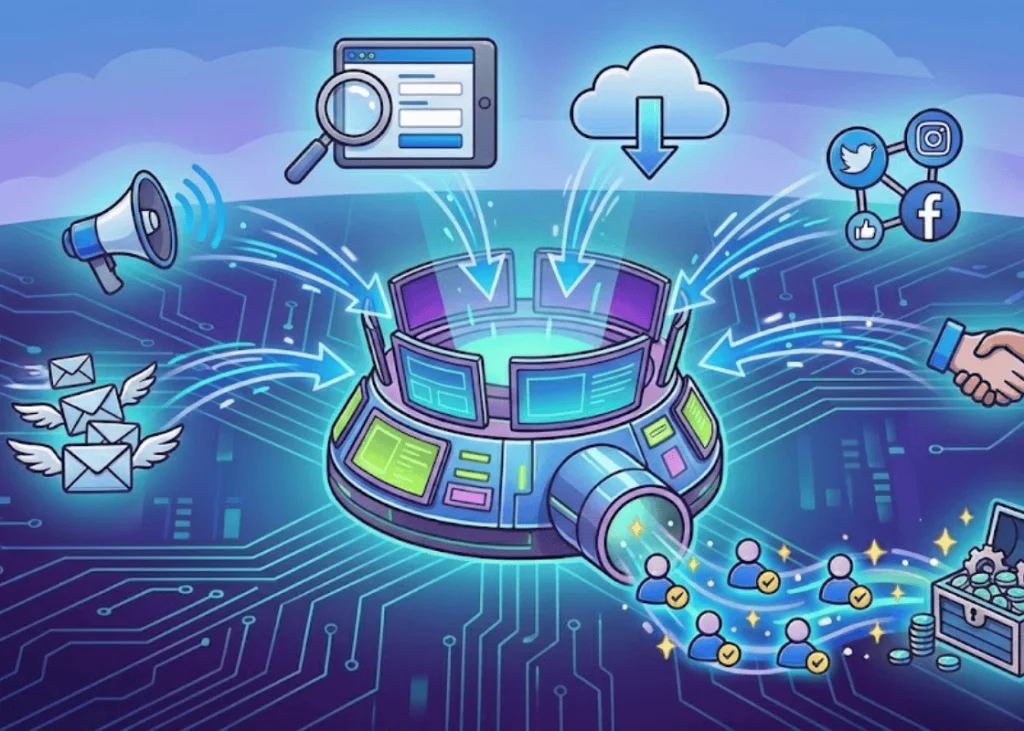

Customer relationships decide the future of every business. As markets become increasingly competitive and attention spans shorten, companies require systems that not only store data but also actively drive revenue. This is where CRM platforms stand out. Modern CRMs do far more than organize customer information; they help businesses capture high-quality leads, nurture them with precision, and convert them into loyal customers.
This article explains exactly how CRM platforms generate leads, why they are powerful growth engines, and how businesses can capture more revenue through smarter data, automation, and decision-making. The content is produced with expert guidance in marketing technology, data operations, and enterprise-level CRM adoption.
What Makes CRM Platforms Effective for Lead Generation
CRM systems are designed to centralize contact information, activity data, and customer touchpoints. But the real value appears when this data activates new opportunities. A CRM generates leads through three major strengths:
- Unified data
- Automated engagement
- Predictive insights
These three strengths allow businesses to work faster, understand customers better, and move from guessing to proving.
1. Centralizing Data to Spot Hidden Opportunities
One of the core functions of a CRM is the consolidation of data. When every inquiry, click, email, call, or campaign interaction flows into one dashboard, patterns become visible. These patterns highlight high-intent behaviors that would otherwise go unnoticed.
CRMs detect:
- Visitors who keep returning
- Email subscribers who open content repeatedly
- Prospects interacting with product pages
- Contacts with rising interest scores
This data reveals warm prospects who are already signaling buying intent. The CRM then uses this information to classify, segment, and initiate lead-generation workflows.
2. Automating Lead Capture Across Channels
A CRM is designed to capture leads wherever they appear.
Key automated channels include:
- Web forms
- Landing pages
- Pop-ups
- Chat systems
- Event registrations
- Support inquiries
- Social integrations
- Referral links
Every captured contact instantly enters the CRM with assigned tags, sources, and behavior data. Automatic enrichment tools can add missing details, such as company size, industry, or website, which improves lead quality.
A strong example is how companies use recruitment CRMs to attract job prospects using automation. For more insights into automation tools, explore the 10 Best AI Recruitment Tools article on our blog.
3. Using Behavior Tracking to Predict Lead Interest
CRM behavior tracking is one of the most influential factors in generating sales-ready leads. Modern systems monitor actions like:
- Website navigation
- Button clicks
- Form submissions
- Email interactions
- Resource downloads
- Webinar attendance
These actions are converted into lead scores. High scores signal high readiness. Low scores signal the need for nurturing. With this predictive scoring, businesses prioritize hot leads over cold ones, thereby avoiding wasted time.
How CRMs Use Automation to Generate Leads Faster
Automation is the heart of modern lead generation. Instead of manually filtering spreadsheets or tracking thousands of leads by hand, CRMs run automated workflows designed to engage, educate, and convert.
1. Automated Lead Nurturing Sequences
A CRM can trigger relevant messages based on a prospect’s behavior. These campaigns keep your brand top-of-mind and move leads closer to a purchase decision.
Examples include:
- Education emails for new subscribers
- Follow-up messages after a demo request
- Product tips for returning visitors
- Event reminders for webinar signups
- Offers for high-intent leads
These automated flows save time, create consistent value, and reduce the risk of missed opportunities.
2. AI-Powered Lead Qualification
Many CRMs now include AI scoring, enrichment, and predictive analytics. AI evaluates historical data to identify which prospects are likely to convert. This shortens sales cycles and increases conversion accuracy.
AI may analyze:
- Purchase history
- Past interactions
- Industry benchmarks
- Engagement patterns
This allows sales teams to focus on high-value prospects without wasting hours sorting through low-intent contacts.
3. Smart Segmentation to Personalize Outreach
CRM segment leads based on demographics, actions, preferences, and buying stage. With segmentation, businesses deliver more relevant messaging, which directly increases conversions.
Common CRM segments include:
- Cold Leads
- Active Leads
- MQLs (Marketing Qualified Leads)
- SQLs (Sales Qualified Leads)
- Enterprise Leads
- Repeat Visitors
Segmentation improves precision, avoids generic messaging, and boosts brand trust.
Lead Generation Features Inside Most CRM Platforms
Most CRMs include specialized tools designed specifically for lead acquisition and conversion. These features turn a CRM from a data tool into a revenue engine.
1. Lead Capture Forms and Landing Pages
CRMs offer ready-to-use form builders and landing page creators. These pages connect directly to the system and capture every visitor’s details automatically. No manual upload. No delays.
2. Call Tracking and Integration
Calls are still one of the strongest lead channels. CRMs generate unique call tracking numbers that route calls into the platform. Sales teams can see which ad, page, or campaign created the lead.
3. Chatbots and Live Chat
Modern CRMs integrate with chat tools that allow businesses to engage visitors instantly. Chatbots can answer questions, help users navigate, or collect lead details by asking simple qualifying questions.
4. Sales Pipeline Management
The pipeline view shows every lead’s stage from first contact to conversion. With drag-and-drop pipelines, teams can move faster and follow consistent sales processes.
5. Marketing Automation Tools
CRMs also offer:
- Drip campaigns
- Automated reminders
- Lead scoring
- A/B testing
- Social posting tools
These tools strengthen visibility and maintain engagement over time.
How CRMs Turn Leads Into Sales Opportunities
CRM systems do more than generate leads; they convert them. Conversion happens through three steps.
Step 1: Qualify the Lead
Lead scoring and enrichment verify whether a contact meets your ideal customer profile. This protects sales reps from wasting energy.
Step 2: Nurture the Lead
Once scored, leads enter personalized workflows that educate, inspire, and answer objections.
Step 3: Convert the Lead
When a lead reaches SQL status, it moves to the sales team with full context: history, preferences, interactions, objections, and goals.
This transparency closes deals faster.
Why CRM Lead Generation Works
Experts agree that CRM systems succeed because they combine data and strategy into one environment. The scientific consensus in marketing research supports that personalized communication increases engagement and conversion. CRMs make personalization possible at scale.
CRMs also reduce human error and support consistent follow-ups. Psychological studies on buying behavior highlight that fast responses significantly increase trust. Automated CRM workflows deliver those faster responses without stressing your team.
CRM Lead Generation for Modern Businesses
Businesses using CRM technology report higher efficiency, stronger customer satisfaction, and improved revenue. When combined with AI automation, the results grow even faster.
If you want a smarter way to find high-quality leads, tools like Ojiiz provide direct access to vetted contacts, real opportunities, and automated lead systems. You can get started anytime by creating your account. Visit Sign up Ojiiz to begin your journey.
Frequently Asked Questions (FAQs)
1. What is CRM lead generation?
CRM lead generation is the process of capturing, tracking, and nurturing potential customers using CRM tools. These platforms centralize data and automate follow-ups to increase conversions.
2. Do CRMs generate leads automatically?
Yes. CRMs can automatically capture leads from forms, chat, email, social channels, ads, and more.
3. What is lead scoring in a CRM?
Lead scoring assigns points based on behavior and interest. Higher scores mark high-intent leads ready for sales outreach.
4. How does automation help with lead generation?
Automation ensures fast follow-ups, relevant messages, and consistent engagement, reducing the risk of missed opportunities.
5. Is AI important in CRM lead generation?
AI improves accuracy by predicting which leads are most likely to convert, saving time and boosting revenue.
Conclusion
CRM platforms have evolved into powerful engines for lead generation. By unifying data, automating touchpoints, and predicting customer intent, they help businesses attract high-quality prospects and convert them with confidence. Their ability to streamline workflows, personalize communication, and support faster decision-making creates a clear advantage in competitive markets. When paired with AI-driven insights and a focused sales strategy, CRMs unlock steady growth and long-term customer relationships. For any business looking to boost revenue and work smarter, a modern CRM is no longer optional; it is a strategic path to consistent, predictable, and scalable success.