






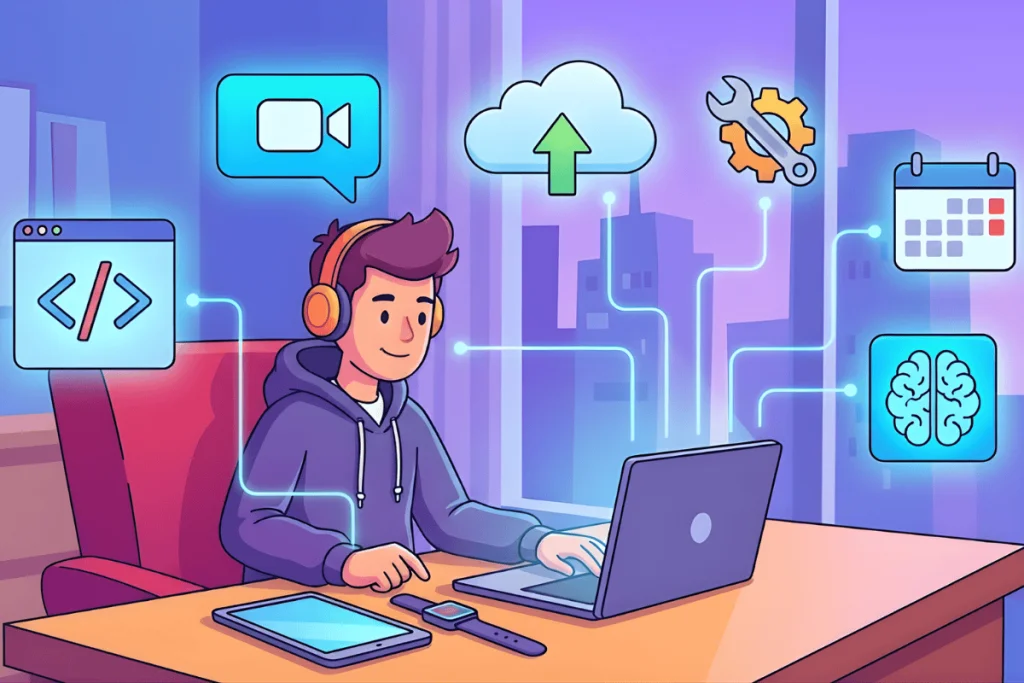

The digital revolution has transformed how technology professionals work, creating unprecedented opportunities for talented individuals worldwide. Remote work in tech isn’t just a trend; it’s a fundamental shift that rewards those who develop the right capabilities. Understanding and mastering these skills opens doors to flexibility, higher earning potential, and career growth that transcends geographic boundaries.
Why Remote Tech Skills Matter Now More Than Ever
The technology sector leads the remote work movement, with companies actively seeking professionals who can deliver exceptional results from anywhere. This shift represents more than convenience; it’s about accessing global talent pools and building diverse, innovative teams. Professionals equipped with remote-ready skills position themselves at the forefront of this transformation, gaining competitive advantages in hiring processes and career advancement.
Research from major tech employers consistently shows that remote workers with strong foundational skills often outperform their office-based counterparts in productivity and job satisfaction. The key lies not in working harder, but in developing specific competencies that enable success in distributed environments.
Communication Excellence: Your Remote Superpower
Clear, purposeful communication forms the backbone of remote tech success. Unlike traditional office settings, where quick desk visits clarify confusion, remote environments demand precision and proactivity in every interaction.
Written communication mastery becomes non-negotiable. You’ll craft emails, documentation, and messages that convey complex technical concepts without ambiguity. This means:
- Writing concise technical documentation that teammates can follow independently
- Composing clear status updates that keep stakeholders informed
- Creating detailed bug reports or feature requests that developers can act on immediately
Verbal communication skills remain equally vital during video calls and virtual meetings. Successful remote tech professionals articulate ideas clearly, listen actively, and adapt their communication style to different audiences, whether explaining architecture decisions to engineers or presenting project timelines to executives.
The ability to overcommunicate thoughtfully prevents misunderstandings and builds trust with distributed teams. This doesn’t mean endless messages, but rather strategic sharing of context, progress, and blockers before others need to ask.
Technical Proficiency: Building Your Foundation
Strong technical skills remain fundamental, but remote work amplifies the importance of certain capabilities. You need mastery of your core discipline, whether software development, data science, cybersecurity, or systems administration, plus additional technical competencies specific to distributed work.
Tool stack expertise extends beyond your primary programming languages or platforms. Remote tech professionals excel with:
- Collaboration platforms like Slack, Microsoft Teams, or Discord
- Project management systems such as Jira, Asana, or Linear
- Version control systems, particularly Git and GitHub
- Cloud-based development environments and tools
- Video conferencing platforms with screen-sharing capabilities
Self-directed learning ability separates thriving remote workers from struggling ones. Without colleagues nearby for quick questions, you must independently research solutions, troubleshoot problems, and expand your knowledge through documentation, online courses, and community resources. If you’re ready to explore opportunities that match your skills, sign up for Ojiiz to find Remote Work opportunities and connect with companies seeking remote talent.
Time Management and Self-Discipline
Remote work provides freedom, but that freedom demands exceptional self-management. Without physical office structures, you create your own productive rhythms while meeting deadlines and maintaining quality standards.
Effective time blocking helps you allocate focused periods for deep work, meetings, and administrative tasks. Successful remote tech professionals often use techniques like the Pomodoro method or time boxing to maintain concentration and prevent burnout.
Priority management becomes crucial when juggling multiple projects or responding to urgent requests across time zones. You learn to distinguish between truly urgent issues and those that can wait, protecting your productive hours while remaining responsive to team needs.
Setting boundaries between work and personal time presents challenges when your home doubles as your office. High-performing remote workers establish routines, designate workspaces, and communicate their availability clearly to maintain work-life balance.
Collaboration in Distributed Teams
Working effectively with teammates you rarely or never meet face-to-face requires intentional relationship-building and collaborative approaches.
Asynchronous collaboration skills enable you to contribute meaningfully without requiring everyone to be online simultaneously. This includes writing thorough pull request descriptions, leaving detailed code comments, and documenting decisions for future reference.
Cultural awareness and empathy grow increasingly important as you work with colleagues across countries, time zones, and backgrounds. Understanding different communication styles, respecting various working hours, and showing patience with language differences strengthen team cohesion.
Participating actively in virtual team-building and social interactions helps combat isolation while building trust with colleagues. This might mean joining optional coffee chats, contributing to non-work channels, or organizing virtual game sessions.
Problem-Solving and Adaptability
Remote tech work presents unique challenges requiring creative solutions and mental flexibility. Internet outages, software glitches, and communication gaps demand quick thinking and resourcefulness. Many professionals leverage the 10 Best AI Recruitment Tools to navigate the job search process more effectively when building remote careers.
Troubleshooting independence means exhausting reasonable solutions before escalating issues. You develop debugging skills not just for code, but for connectivity problems, tool configurations, and workflow obstacles.
Adaptability to change serves you well as companies evolve their remote policies, adopt new tools, or restructure teams. Embracing change rather than resisting it positions you as a valuable team member who helps navigate transitions smoothly.
Security Consciousness and Digital Hygiene
Remote work introduces security considerations that office environments naturally address through physical controls and IT departments hovering nearby.
Understanding cybersecurity fundamentals protects both your employer’s data and your own professional reputation. This encompasses:
- Using strong, unique passwords with password managers
- Enabling two-factor authentication on all work accounts
- Recognizing phishing attempts and social engineering tactics
- Securing your home network with proper router configuration
- Following company protocols for data handling and device security
Privacy awareness extends to video calls (checking backgrounds and screen sharing), public Wi-Fi usage, and discussing sensitive information in shared spaces.
Emotional Intelligence and Self-Awareness
Remote work can feel isolating, and managing your mental health while supporting teammates’ wellbeing requires emotional intelligence.
Recognizing your own needs helps you advocate for support when feeling overwhelmed, disconnected, or burned out. Successful remote workers monitor their energy levels and stress indicators, adjusting workloads or seeking help proactively.
Reading digital cues compensates for missing body language in text-based communication. You learn to sense when teammates struggle, celebrate their wins genuinely, and offer support through virtual channels.
Building psychological safety in remote teams, where people feel comfortable sharing ideas, admitting mistakes, and asking questions, starts with your own vulnerability and supportiveness.
Continuous Learning and Career Development
Remote tech careers thrive on continuous skill enhancement and proactive career management.
Staying current with industry trends, new technologies, and best practices requires dedicated learning time. Subscribe to relevant newsletters, attend virtual conferences, participate in online communities, and complete courses that expand your capabilities.
Building your professional network virtually demands different strategies than office networking. Engage authentically on LinkedIn, contribute to open-source projects, participate in virtual meetups, and maintain relationships with former colleagues.
For those exploring the remote job market, resources like 10Trusted Sites to Find Remote Jobs provide valuable starting points for discovering legitimate opportunities.
Frequently Asked Questions (FAQs)
What technical skills are most important for remote tech work?
Beyond your core technical expertise, proficiency with collaboration tools, version control systems, cloud platforms, and communication technologies proves essential. Strong documentation skills and the ability to work with asynchronous workflows separate successful remote workers from those who struggle.
How can I improve my communication for remote work?
Practice writing clear, concise messages that provide context without requiring follow-up questions. Develop active listening skills during video calls, ask clarifying questions proactively, and document important decisions or discussions for team reference.
Do I need a specific home office setup for remote tech work?
While requirements vary by role, most remote tech positions benefit from reliable high-speed internet, a quiet workspace with minimal distractions, a comfortable desk and chair, and quality audio/video equipment for meetings. Employers often provide or subsidize necessary hardware and equipment.
How do remote tech workers avoid burnout?
Establish clear boundaries between work and personal time, take regular breaks throughout the day, maintain social connections outside work, exercise regularly, and communicate with managers when workloads become unsustainable. Many successful remote workers use time-tracking tools to prevent overworking.
Can entry-level tech professionals work remotely?
Yes, though it requires extra effort to learn and grow without in-person mentorship. Entry-level remote workers succeed by asking questions proactively, seeking feedback regularly, finding virtual mentors, and demonstrating strong initiative in their learning journey.
Conclusion
Mastering remote work skills in tech isn’t about becoming perfect; it’s about consistent growth and adaptation. The capabilities outlined here represent your roadmap to building a fulfilling, location-independent career that offers both professional achievement and personal freedom.
The technology industry continues embracing remote work as a permanent fixture, creating expanding opportunities for skilled professionals who can deliver results from anywhere. By developing strong communication, technical proficiency, self-management, and collaboration skills, you position yourself among the most sought-after candidates in the global talent market.