






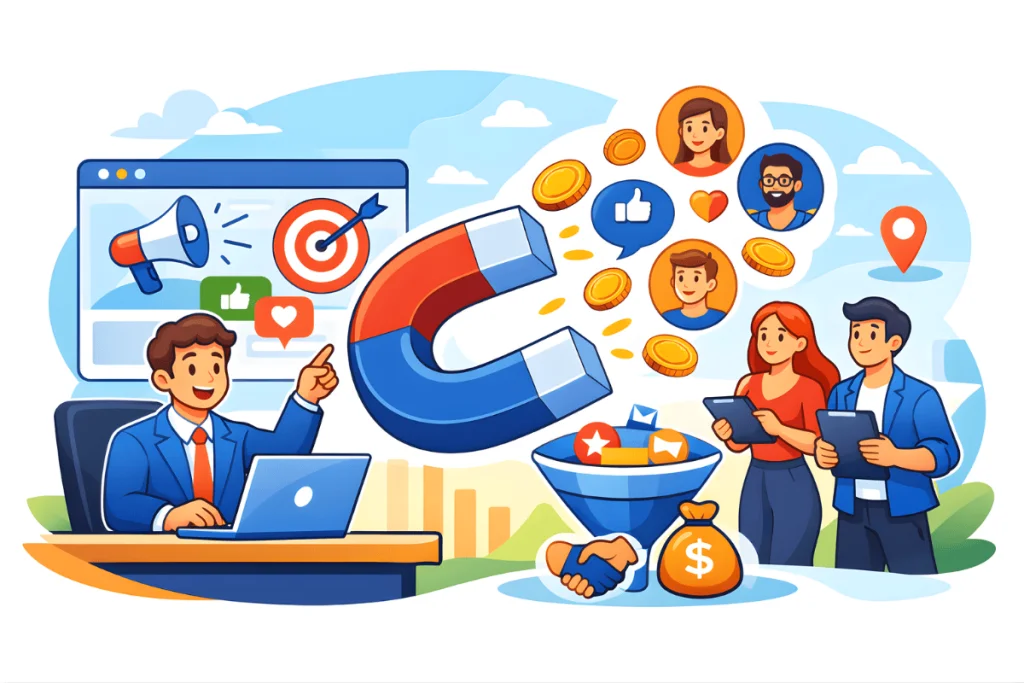

In today’s fast-paced digital world, businesses cannot rely solely on traditional marketing methods to attract potential customers. Online platforms have become essential tools for generating high-quality leads, enabling companies to grow their client base, boost revenue, and build meaningful connections with their audience. Understanding how businesses use these platforms effectively can provide actionable insights for companies of all sizes.
What Is Lead Generation and Why It Matters
Lead generation is the process of identifying, attracting, and converting potential customers who show interest in a company’s products or services. According to industry research, businesses that actively focus on lead generation are 67% more likely to achieve revenue growth than those that do not. Lead generation is not just about collecting contacts; it’s about creating a pipeline of prospects that can be nurtured into loyal customers.
In the B2B context, What is a B2B Lead Generation strategies are particularly critical. They enable businesses to target decision-makers, build credibility, and streamline the sales process. These strategies are informed by data, analytics, and predictive insights, making lead generation more precise and results-oriented.
Online Platforms as Powerful Lead Generation Tools
Online platforms provide businesses with unprecedented reach, real-time analytics, and targeted engagement opportunities. The use of these platforms has transformed lead generation from a labor-intensive process into a highly efficient, technology-driven strategy.
Key benefits of using online platforms include:
- Wider Audience Reach: Platforms like LinkedIn, Facebook, and industry-specific networks allow businesses to connect with prospects across geographies and industries.
- Advanced Targeting: Businesses can segment audiences based on demographics, interests, job roles, and online behavior, ensuring the right message reaches the right people.
- Cost-Effective Strategies: Compared to traditional advertising, online lead generation often requires lower investment while delivering higher ROI.
- Real-Time Tracking and Analytics: Companies can measure engagement, conversion rates, and campaign effectiveness instantly, allowing for data-driven adjustments.
Popular Online Platforms for Lead Generation
Different platforms serve different business goals. Selecting the right platform depends on your target audience, industry, and objectives. Some of the most effective options include:
- Social Media Platforms
Social media has evolved into a powerful lead generation engine. LinkedIn is particularly effective for B2B leads, while Facebook and Instagram excel in reaching B2C audiences. Businesses can use paid campaigns, organic content, and community engagement to attract prospects. - Search Engine Marketing (SEM) and SEO
Optimizing website content for search engines ensures that businesses appear in front of users actively seeking products or services. Paid search ads provide immediate visibility, while SEO efforts build long-term authority. - Email Marketing Platforms
Email remains one of the highest-converting lead generation channels. Platforms like Mailchimp or HubSpot enable businesses to send personalized messages, nurture leads, and track engagement metrics. - AI-Driven Platforms
AI-powered platforms can analyze patterns, predict buying behavior, and recommend strategies to maximize conversions. These platforms enhance efficiency by automating repetitive tasks and identifying the most promising leads. Businesses can exploreAI Platforms Usage for Effective Lead Generation to understand advanced strategies and tools. - Lead Generation Marketplaces
Platforms that aggregate verified leads offer businesses direct access to decision-makers and projects. These marketplaces reduce time spent on prospecting and increase the likelihood of successful engagement. For insights on which platforms are most effective, refer toBest Platforms for Lead Generation.
Techniques for Effective Lead Generation on Online Platforms
Success in online lead generation depends on combining strategy, creativity, and technology. Businesses employ multiple techniques to attract and convert leads effectively:
- Content Marketing: High-quality content, such as blogs, videos, and guides, positions businesses as thought leaders and attracts potential customers seeking valuable information.
- Lead Magnets: Offering downloadable resources, free trials, or webinars in exchange for contact information encourages prospects to engage.
- Retargeting Campaigns: By re-engaging users who previously interacted with a website or ad, businesses can increase conversion rates and reinforce brand recall.
- Social Proof: Customer testimonials, reviews, and case studies build credibility, making prospects more likely to trust the business.
- Landing Page Optimization: Well-designed landing pages with clear calls-to-action, minimal distractions, and persuasive copy significantly improve lead capture.
- Behavioral Segmentation: Tracking user behavior enables businesses to send personalized messages at the right stage of the buyer journey.
Integrating Lead Generation Across Platforms
Modern businesses rarely rely on a single platform. Multi-channel lead generation ensures that prospects encounter the brand across multiple touchpoints, increasing familiarity and trust. For example, a business might:
- Use LinkedIn to target professionals and collect initial leads.
- Share educational blog content and videos to nurture leads via email.
- Employ AI tools to identify high-potential leads for personalized follow-up.
- Use retargeting ads on social media to encourage conversion.
This integrated approach ensures a consistent brand presence while leveraging the strengths of each platform.
Measuring and Optimizing Lead Generation Success
Accurate measurement is key to effective lead generation. Businesses should track:
- Lead Quantity and Quality: Not all leads are equal. High-quality leads align with your ideal customer profile and have a higher likelihood of conversion.
- Conversion Rates: Monitoring how many leads move through the sales funnel helps assess strategy effectiveness.
- Cost Per Lead (CPL): Understanding CPL ensures campaigns remain cost-efficient and scalable.
- Engagement Metrics: Click-through rates, email open rates, and social engagement provide insight into audience interest.
Advanced analytics platforms can automate these measurements, identify trends, and recommend adjustments for continuous improvement.
Challenges Businesses Face in Online Lead Generation
While online platforms offer incredible opportunities, businesses must navigate challenges to maximize results:
- Data Privacy Regulations: Compliance with laws like GDPR and CCPA is critical when collecting lead information.
- Platform Algorithm Changes: Updates to social media or search algorithms can impact reach and engagement.
- Content Saturation: Standing out in a crowded digital space requires creativity, high-quality content, and strategic targeting.
- Lead Quality vs. Quantity: Focusing solely on lead volume may result in poor-quality leads that do not convert.
Overcoming these challenges requires expertise, strategic planning, and continuous adaptation.
Best Practices for Businesses Using Online Platforms
Businesses that excel in online lead generation often follow key best practices:
- Define Clear Goals: Know exactly what constitutes a qualified lead and what the end goal of campaigns should be.
- Invest in High-Quality Content: Valuable, engaging content establishes authority and builds trust.
- Leverage Automation: Tools for email nurturing, chatbots, and AI-driven insights save time and improve efficiency.
- Test and Iterate: A/B testing landing pages, ad creatives, and messaging ensures continuous optimization.
- Focus on Relationship Building: Lead generation is not just about numbers; building genuine relationships enhances long-term success.
Access Verified Leads for Growth
For businesses looking to accelerate lead generation with verified opportunities, Ojiiz provides a reliable solution. Ojiiz offers verified leads of jobs and projects, making it easier for businesses and freelancers to connect with potential clients. You can sign up on Ojiiz and also check our pricing section to explore the options available.
The Future of Lead Generation
The digital landscape continues to evolve, with AI, machine learning, and predictive analytics shaping the future of lead generation. Businesses that embrace these technologies and adapt their strategies proactively are more likely to achieve sustainable growth. Additionally, integrating personalized experiences, data-driven insights, and cross-platform strategies will continue to enhance lead quality and conversion rates.
Frequently Asked Questions (FAQs)
1. What types of businesses benefit most from online lead generation?
Any business with an online presence can benefit, particularly B2B companies seeking professional clients and B2C brands targeting niche audiences.
2. How long does it take to see results from online lead generation?
Results vary depending on strategy and platform, but businesses often notice initial leads within weeks, with optimized campaigns showing consistent growth over months.
3. Can small businesses compete with larger companies in online lead generation?
Yes. Strategic targeting, high-quality content, and AI-driven insights allow small businesses to generate leads efficiently without massive budgets.
4. How can AI improve lead generation efforts?
AI helps identify promising leads, predict buyer behavior, automate repetitive tasks, and optimize campaigns for higher conversions.
5. What metrics should I track to measure lead generation success?
Track lead quality, conversion rates, cost per lead, engagement metrics, and campaign ROI to ensure effective lead generation strategies.
Conclusion
Online platforms have revolutionized how businesses generate leads. By combining technology, strategy, and creativity, companies can reach the right audience, build trust, and convert prospects into loyal customers. Leveraging AI tools, integrating multi-channel campaigns, and focusing on quality over quantity ensures a competitive advantage in a crowded digital landscape. Businesses that embrace these approaches not only grow their pipeline but also establish lasting connections with their audience, driving long-term success.