






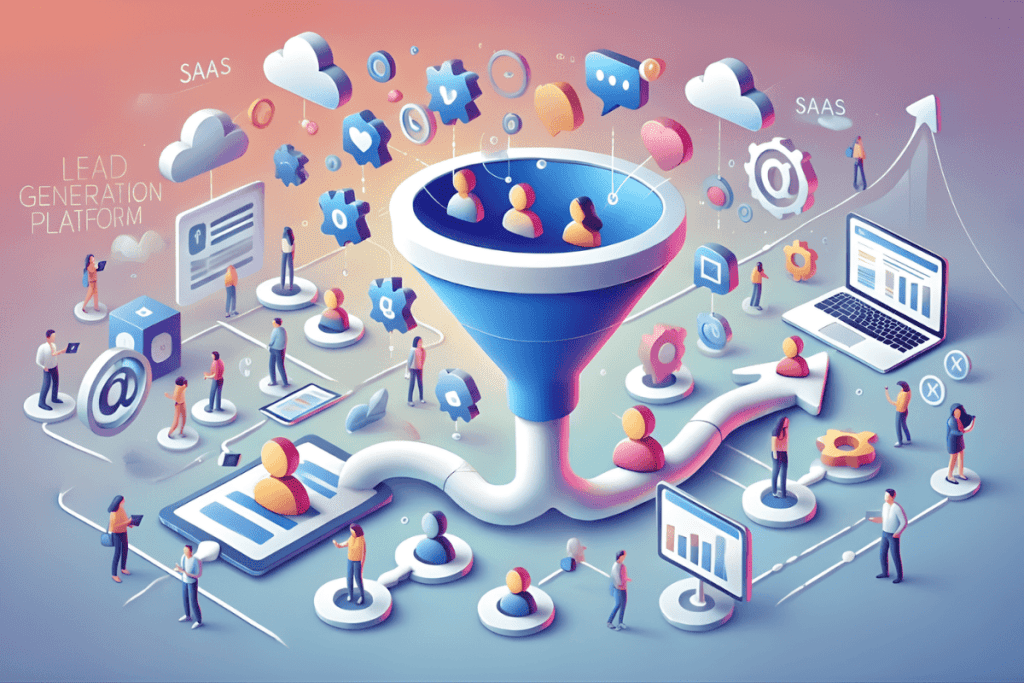

What Is a Lead Generation Platform?
A lead generation platform is a digital system designed to help businesses find, attract, capture, qualify, and manage potential customers who show interest in their products or services. Instead of relying on cold outreach or guesswork, these platforms use data, automation, and analytics to connect companies with people who are more likely to convert.
In today’s data-driven economy, lead generation platforms have become a core growth engine for startups, enterprises, B2B service providers, and SaaS companies. They replace manual prospecting with scalable, measurable, and repeatable processes that build revenue faster and smarter.
This guide is written and reviewed by professionals with hands-on experience in digital marketing, sales operations, and AI-powered growth systems. The goal is simple. Help you understand lead generation platforms clearly so you can make confident, informed decisions.
Why Lead Generation Platforms Matter More Than Ever
Buying behavior has changed. Customers research online, compare options, and expect relevant communication. Businesses that rely only on outbound sales struggle to keep up.
Lead generation platforms matter because they:
- Reduce wasted time spent on unqualified prospects
- Improve conversion rates through better targeting
- Provide measurable insights into buyer behavior
- Support remote and global sales teams
- Create predictable growth instead of random wins
Well-established research in digital marketing shows that companies using structured lead generation systems achieve higher ROI and shorter sales cycles compared to those using manual methods. This consensus is widely supported by industry leaders in marketing automation and CRM technologies.
How a Lead Generation Platform Works
At its core, a lead generation platform follows a logical, proven process. Each stage builds trust and moves prospects closer to a decision.
1. Traffic and Interest Capture
The platform attracts users through channels such as:
- Search engines
- Social media
- Content marketing
- Paid advertising
- Partnerships
Visitors land on optimized pages where they exchange basic information for value such as insights, tools, or opportunities.
2. Lead Data Collection
The system securely collects and stores data like:
- Name and email
- Company details
- Job role
- Industry
- Behavior and intent signals
Modern platforms follow privacy standards and data protection regulations to ensure trust and compliance.
3. Lead Qualification
Not every lead is equal. Platforms use scoring models based on:
- Engagement level
- Demographics
- Buying intent
- Past interactions
This ensures sales teams focus only on high-potential prospects.
4. Lead Nurturing
Through automated emails, notifications, or personalized content, leads are educated and guided until they are ready to convert.
5. Analytics and Optimization
Dashboards track performance, conversion rates, and ROI, allowing continuous improvement.
Key Features of a Powerful Lead Generation Platform
While platforms vary, trusted solutions share essential features.
- Lead capture forms and landing pages
- CRM or CRM integration
- Automation workflows
- Lead scoring and segmentation
- Verified contact data
- Analytics and reporting
- Secure data handling
These features work together to reduce friction and increase confidence for both businesses and prospects.
Types of Lead Generation Platforms
Different business models require different approaches. Understanding the types helps you choose wisely.
B2B Lead Generation Platforms
Designed for business buyers, these focus on:
- Company data
- Decision makers
- Industry relevance
If you want deeper insight into proven B2B methods, explore How to Generate B2B Leads, which explains strategies aligned with modern platforms.
B2C Lead Generation Platforms
These target individual consumers using volume, personalization, and behavioral triggers.
AI-Powered Lead Platforms
AI enhances accuracy by analyzing large datasets, predicting intent, and improving targeting over time.
Marketplace-Style Platforms
These connect service providers directly with verified opportunities, reducing competition and guesswork.
Lead Generation Platforms vs Traditional Sales Methods
Traditional sales rely heavily on cold calls, purchased lists, and manual follow-ups. Lead generation platforms change this dynamic.
Traditional Sales
- High effort, low precision
- Limited data visibility
- Slow scaling
Lead Generation Platforms
- Data-driven targeting
- Automation at scale
- Transparent performance tracking
This shift mirrors broader workplace changes. As explained in What is a Remote Job, digital systems now support distributed teams that rely on technology instead of physical offices.
Benefits of Using a Lead Generation Platform
The benefits go beyond convenience. They create structural advantages.
- Higher quality leads
- Lower customer acquisition costs
- Faster sales cycles
- Better alignment between marketing and sales
- Stronger forecasting accuracy
Businesses gain confidence because decisions are backed by data, not assumptions.
Who Should Use a Lead Generation Platform?
Lead generation platforms are valuable for:
- SaaS companies
- Marketing agencies
- Recruitment firms
- Consultants and freelancers
- Enterprises with long sales cycles
- Remote-first businesses
As work models evolve, professionals increasingly compare flexibility and income stability. The discussion around Remote Work vs Freelancing highlights why reliable lead flow is critical for independent and distributed teams.
Trust, Security, and Data Ethics
Trust is not optional. High-quality platforms invest in:
- Secure infrastructure
- Transparent data usage policies
- Compliance with privacy laws
- Ethical data sourcing
Industry consensus strongly supports ethical lead generation practices because trust directly impacts conversion and brand reputation.
How to Choose the Right Lead Generation Platform
Before choosing, ask clear questions.
- Are the leads verified and relevant?
- Is pricing transparent and predictable?
- Does it integrate with existing tools?
- Are analytics easy to understand?
- Is support available when needed?
Choosing the right platform is not about features alone. It is about alignment with your growth goals.
Common Myths About Lead Generation Platforms
Let’s clear a few misconceptions.
- More leads do not always mean better leads
- Automation does not remove human judgment
- Quality platforms support long-term growth, not quick tricks
Successful companies treat lead generation as a strategic investment, not a shortcut.
The Future of Lead Generation Platforms
The future is intelligent, ethical, and user-focused.
- AI-driven intent analysis
- Deeper personalization
- Real-time verification
- Stronger privacy controls
As digital ecosystems mature, lead generation platforms will continue to replace outdated sales models.
Frequently Asked Questions (FAQs)
What is the main purpose of a lead generation platform?
The main purpose is to attract and qualify potential customers so businesses can focus on converting high-intent leads instead of chasing random prospects.
Are lead generation platforms only for large companies?
No. Many platforms are built for startups, freelancers, and mid-sized businesses looking for predictable growth.
How long does it take to see results?
Results depend on strategy and industry, but most businesses see measurable improvements within weeks when systems are used correctly.
Do lead generation platforms replace sales teams?
No. They support sales teams by improving efficiency, data quality, and focus.
Is lead generation ethical?
Yes, when platforms follow transparent data practices, consent standards, and privacy regulations.
Conclusion
A lead generation platform is more than a tool. It is a growth foundation built on trust, data, and efficiency. By connecting businesses with the right prospects at the right time, these platforms remove uncertainty and unlock consistent opportunity.
For companies serious about sustainable growth, investing in the right lead generation platform is not optional. It is a confident step toward smarter sales, stronger relationships, and long-term success.