








B2B lead generation is the structured process of identifying, attracting, and qualifying businesses that have a genuine likelihood of purchasing a product or service. Unlike B2C marketing, which often targets individuals driven by impulse or emotion, B2B lead generation focuses on logic, value, return on investment, and long-term outcomes.
At its core, B2B lead generation connects a company’s expertise with organizations actively seeking solutions. Industry consensus in marketing science and sales research consistently shows that organizations with a defined lead generation system achieve higher pipeline predictability, shorter sales cycles, and stronger customer lifetime value.
Why B2B Lead Generation Matters More Than Ever
Modern B2B buyers are informed, analytical, and cautious. Research widely cited across marketing literature shows that most buyers complete a significant portion of their evaluation before speaking to sales.
This shift has made lead generation a strategic growth function rather than a marketing afterthought.
Key reasons it matters:
- It builds qualified demand, not just traffic
- It aligns marketing and sales around shared revenue goals
- It reduces acquisition costs over time
- It creates visibility into future revenue
Organizations that invest early in lead generation infrastructure consistently outperform competitors that rely on referrals alone.
How B2B Lead Generation Works: The Core Process
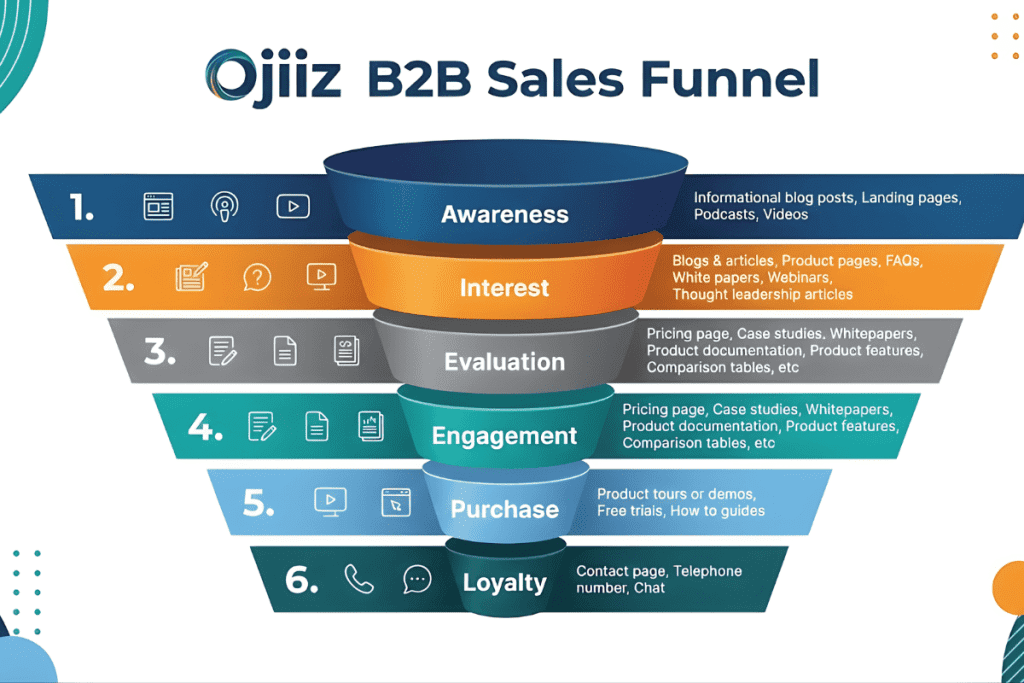
B2B lead generation follows a repeatable framework grounded in buyer behavior research.
1. Identifying the Ideal Customer Profile (ICP)
An ICP defines the type of business most likely to benefit from your solution. This includes:
- Industry
- Company size
- Revenue range
- Decision-maker roles
- Pain points
This step ensures effort is focused on high-value opportunities.
2. Attracting Relevant Prospects
Attraction happens through educational and value-driven channels, such as:
- Search-optimized content
- Professional networks like LinkedIn
- Industry webinars
- Email campaigns
- Paid media with intent targeting
The goal is not volume, but relevance.
3. Capturing Lead Information
Once interest is established, prospects exchange their contact details for value:
- Whitepapers
- Demos
- Case studies
- Consultations
This value-exchange model is a well-established principle in digital marketing psychology.
4. Qualifying Leads
Qualification separates curiosity from intent. Common criteria include:
- Budget authority
- Decision timeline
- Business need
- Fit with the solution scope
Sales and marketing alignment at this stage is critical.
Types of B2B Leads You Should Understand
Not all leads are equal. Effective teams categorize leads to improve conversion efficiency.
- Marketing Qualified Leads (MQLs): Engaged prospects showing early interest
- Sales Qualified Leads (SQLs): Prospects vetted and ready for sales engagement
- Product Qualified Leads (PQLs): Users who experience product value firsthand
- Cold Leads: Contacts that require nurturing and education
Clear definitions reduce friction between teams and improve forecasting accuracy.
Proven B2B Lead Generation Strategies That Work
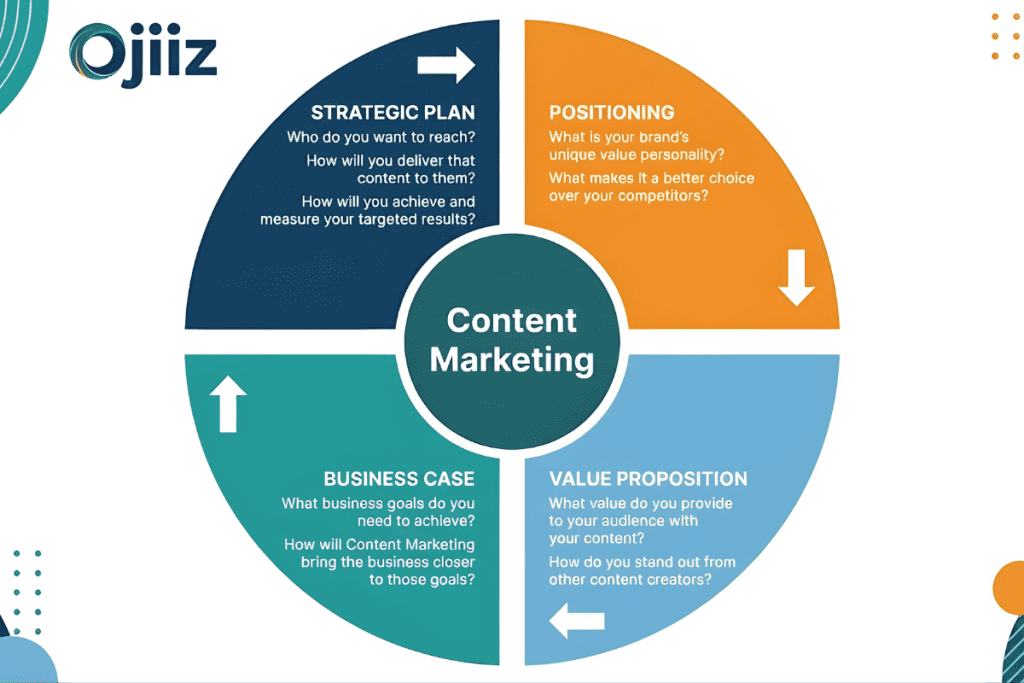
Content-Driven Lead Generation
Educational content remains one of the most trusted acquisition methods. Search engines reward depth, accuracy, and relevance, while buyers reward clarity.
Strategic content includes:
- Industry guides
- Research-backed blogs
- Decision frameworks
- Comparison resources
AI-assisted tools are now widely used to scale this effort responsibly. A practical overview of this approach is explained in AI Platforms Usage for Effective Lead Generation, which highlights how automation supports, not replaces, human judgment.
Lead Generation Platforms
Technology plays a central role in organizing, scoring, and nurturing leads at scale. A clear explanation of this ecosystem is covered in What is a Lead Generation Platform, detailing how data, workflows, and analytics connect marketing to revenue outcomes.
Consensus among revenue operations experts shows that centralized platforms reduce leakage and improve response time.
Choosing the Right Tools
Not every platform fits every business. Factors such as team size, sales cycle length, and deal value matter. A comparative outlook on emerging solutions is discussed in Best Platforms for Lead Generation, helping decision-makers evaluate tools based on real-world use cases.
Account-Based Marketing (ABM)
ABM focuses on high-value accounts rather than broad audiences. It combines personalization, data intelligence, and coordinated outreach.
Benefits include:
- Higher deal sizes
- Stronger relationships
- Shorter sales cycles for enterprise deals
Email and Relationship-Led Outreach
Email remains effective when it is:
- Relevant
- Respectful
- Timely
Trust is built through consistency and insight, not frequency.
The Role of Data, AI, and Analytics in B2B Lead Generation
Industry research consistently supports the use of data-driven decision-making. Analytics helps teams:
- Identify high-intent behavior
- Optimize conversion paths
- Forecast revenue accurately
AI enhances pattern recognition and prioritization, while human teams retain control over strategy and messaging. This hybrid model reflects current best practices across leading B2B organizations.
Common B2B Lead Generation Mistakes to Avoid
Even strong teams can underperform if fundamentals are ignored.
Avoid:
- Chasing volume over quality
- Ignoring sales feedback
- Over-automating early relationships
- Measuring activity instead of outcomes
Trust grows when prospects feel understood, not processed.
How to Measure B2B Lead Generation Success
Effective measurement focuses on business impact, not surface metrics.
Key indicators include:
- Lead-to-opportunity conversion rate
- Cost per qualified lead
- Sales cycle length
- Customer acquisition cost
- Lifetime value
These metrics are widely recognized across revenue operations frameworks.
Frequently Asked Questions (FAQs)
What is the main goal of B2B lead generation?
The primary goal is to build a predictable pipeline of qualified business prospects who are likely to convert into long-term customers.
How is B2B lead generation different from B2C?
B2B focuses on longer decision cycles, multiple stakeholders, and value justification, while B2C often centers on individual purchasing behavior.
How long does B2B lead generation take to show results?
Timelines vary, but most organizations see meaningful momentum within three to six months of consistent execution.
Is content marketing essential for B2B lead generation?
Yes. Educational content builds credibility, supports buyer research, and attracts high-intent prospects organically.
Can small businesses succeed with B2B lead generation?
Absolutely. Clear positioning, focused targeting, and disciplined execution allow small teams to compete effectively.
Conclusion
B2B lead generation is not about persuasion alone. It is about clarity, credibility, and consistency. Organizations that prioritize education, data integrity, and buyer intent create pipelines that last beyond short-term campaigns.
When done correctly, lead generation becomes a growth engine rooted in trust, one that compounds value over time and strengthens every customer relationship that follows.